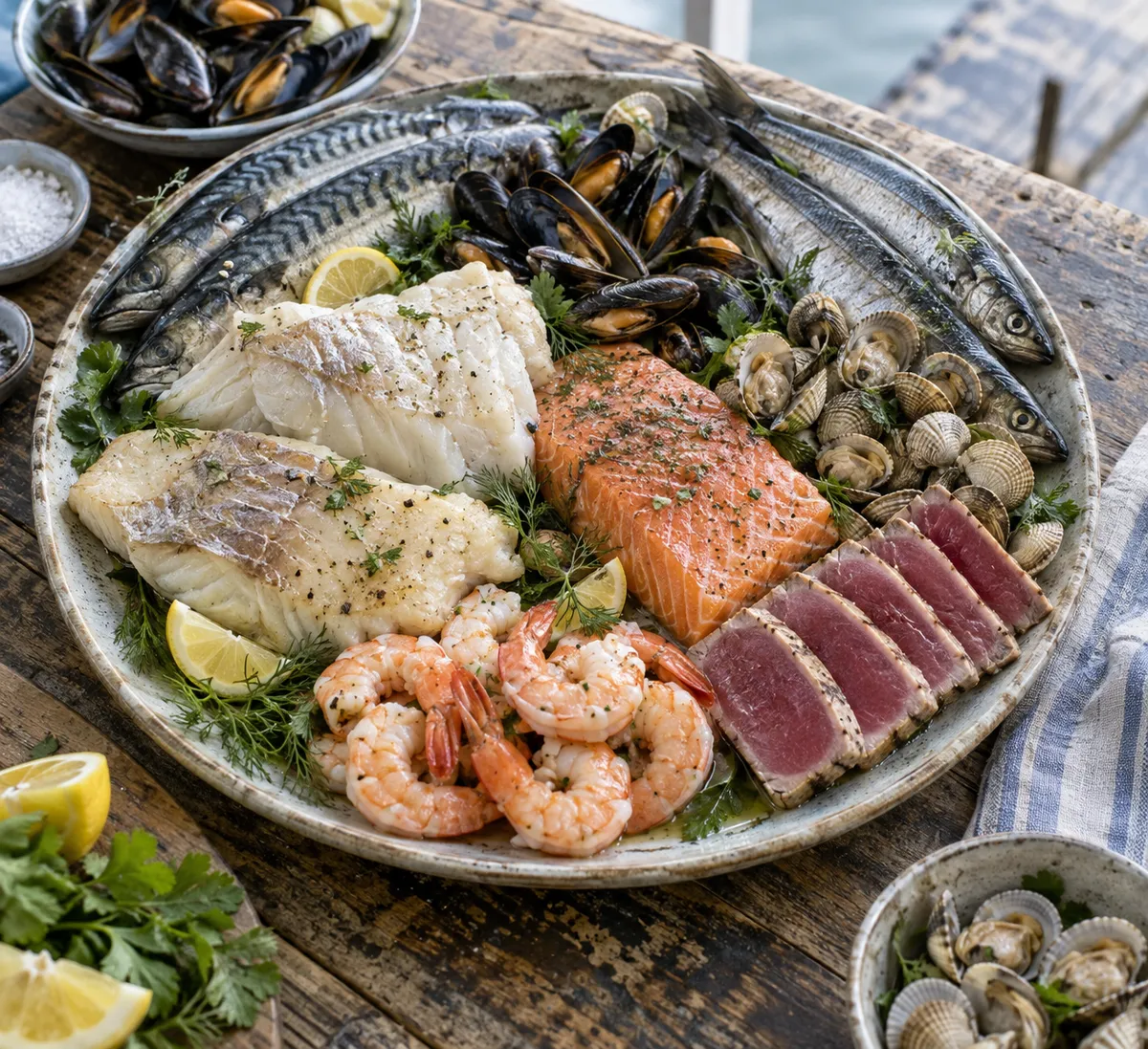
A century of seafood recipes in Good Housekeeping tells a quiet story about what Britain stopped cooking. Research reported by Phys finds that the range of fish and shellfish presented to U.K. readers has "narrowed" over time, settling on a "big five": cod, haddock, tuna, salmon and shrimp. By the end of this piece, you'll know why that happened, what it says about the food on your plate, and how to start shopping and ordering beyond the usual five.
What the study found
The researchers looked at recipes published in the magazine across a hundred years. Early on, home cooks were shown a wider mix of fish and shellfish. Today's pages, and by extension today's kitchens, lean heavily on those five staples.
The key point, per the research as reported by Phys, is that this shift isn't simply about taste. The study links it to changes in supply chains, supermarkets, imports, convenience foods and cultural expectations. In other words, people didn't wake up one day and decide they only liked cod and salmon. The system around them gradually steered what was available, familiar and easy.
How supermarkets shaped the menu
When a few species dominate the fish counter and the freezer aisle, they dominate the recipe pages too. The study points to supermarkets, imports and convenience foods as part of the story. A fish that arrives reliably, in predictable portions, with a recipe printed on the pack, becomes the default. A fish that needs a conversation with a fishmonger, or a bit of prep, fades.
That feedback loop is easy to see in your own habits. If you've ever picked salmon because you knew exactly what to do with it, you've taken part in it. My read, not the study's claim: familiarity is a powerful ingredient, and retailers and magazines both feed it.
Why this matters beyond nostalgia
Per the research, the U.K.'s seafood habits look increasingly mismatched with what its waters actually produce. That matters as sustainability, food security and healthier diets become bigger concerns. Eating from a narrow set of species puts pressure on those species and leaves other local catch undervalued.
The report version of the argument: a broader repertoire could make eating more local, lesser-known species both more sustainable and more affordable. That is the study's framing as relayed by Phys, and it's a sensible question to carry to the market.
How to eat beyond the big five
You don't need a vintage magazine collection to act on this. These steps are practical and need no special skills.
Ask what's local and in season
At a fishmonger or market stall, skip "What's good?" and ask, "What's landed nearby this week?" Then buy that. Letting the catch pick your dinner is the simplest way to widen your plate.
Swap one species at a time
Take a recipe you already cook, such as a fish pie, a battered fillet or a simple pan-fry, and replace the usual fish with a different one the fishmonger recommends. Ask how to cook it and whether it behaves like what you'd normally use. Changing one variable keeps the risk low.
Order the unfamiliar when you're out
When a coastal restaurant or pub lists a catch you don't recognise, order it. Restaurants are often the easiest place to try a new species, because someone else has already worked out how to cook it.
Look at old recipes for ideas
The study draws on a century of home cooking, and older recipe collections are a reasonable place to look for fish and shellfish that have slipped from view. Treat them as prompts: pick a dish, check with your fishmonger what's available that works similarly, and adapt it.
Where to go to see the variety
Since this site is about discovering places through food, make the market the destination. Coastal fish markets, harbour-side stalls and independent fishmongers are where the variety the study describes is most likely to still be visible. Spend ten minutes looking at everything on the slab, not just what you came for, and ask what each thing is.
What we don't know yet
The findings come from one magazine, so they show what a widely read publication presented to home cooks rather than everything Britain ate. The summary reported by Phys doesn't give a full list of the species that once appeared, so there's no checklist of lost fish here, and it would be guesswork to invent one. What the research does offer is a clear pattern and a plausible explanation for it.
The takeaway
Next time you shop for seafood, buy one fish you wouldn't normally pick, and ask the person selling it how they'd cook it. That one small swap works against a century of narrowing.