Rice is a staple on tables from Delhi to Bangkok, and plenty of home cooks still end up with a gummy, clumpy pot. Fox News recently spoke with chefs about the common mistakes behind that result. By the end of this piece you'll know which rice needs a rinse, which steps depend on the variety, and what to stop doing once the pot is on the stove.
The short version, per the chefs quoted by Fox News: the fix is usually small. It starts before the water ever heats up.
Rinse first, especially basmati and jasmine
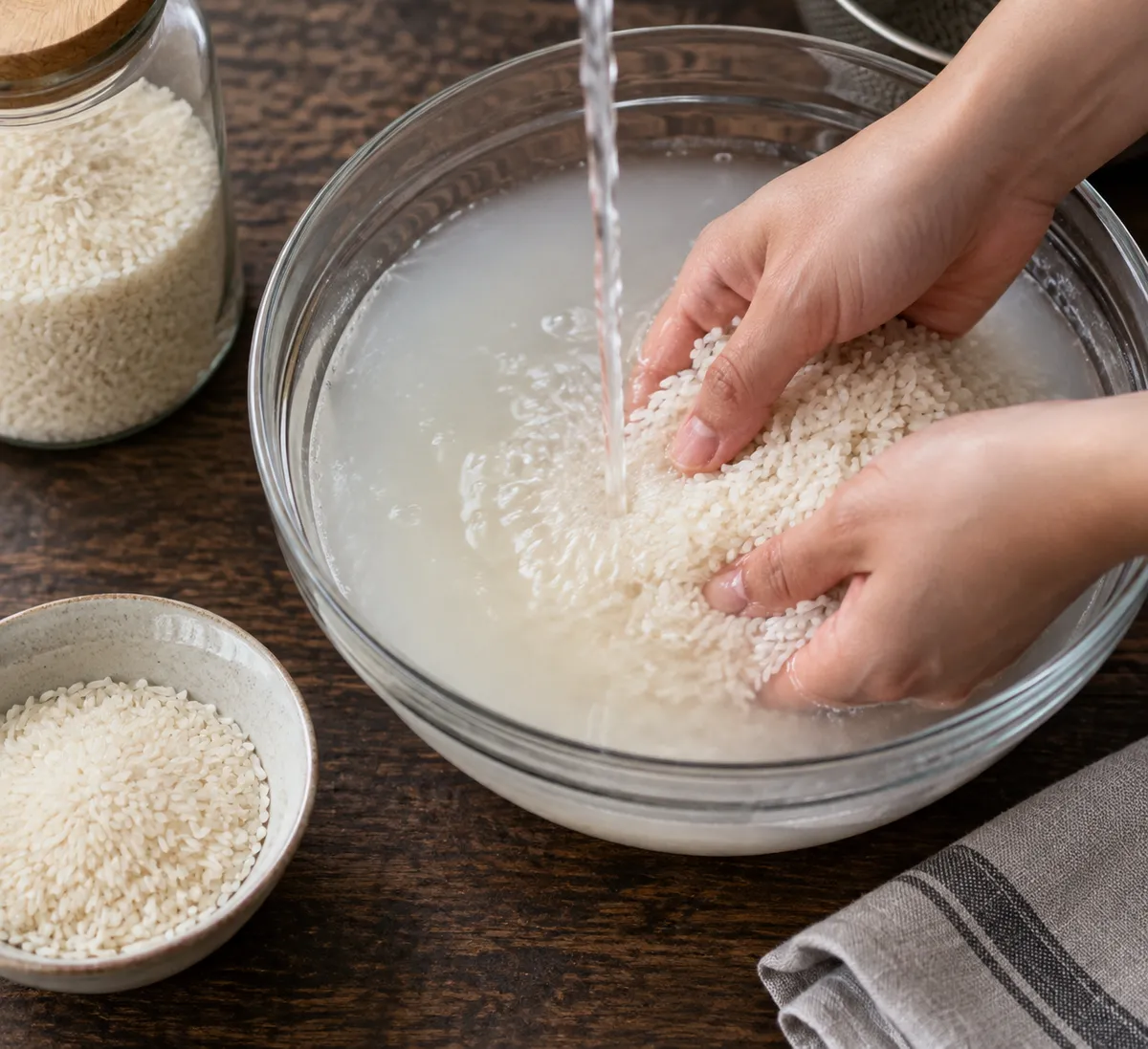
The step many home cooks skip is rinsing. According to Fox News, chefs say rinsing basmati and jasmine rice before cooking is the key to fluffy, distinct grains that don't clump together in the pot.
The practical takeaway: before you cook either variety, give the rice a rinse and drain it. That's the single habit the chefs point to for separate, light grains.
Don't use one method for every rice
Another mistake the article flags is treating all rice the same. Chefs emphasize that rinsing, soaking, water ratios, resting, and gentle fluffing all depend on the variety of rice and the texture you want.
That matters if you cook across cuisines. A long-grain rice served alongside a curry and a rice meant to be soft and cohesive are not aiming for the same result, so they shouldn't get identical handling. Before you start, decide on the texture you want, then adjust:
- Rinsing: Essential for fluffy, separate basmati and jasmine. Other styles may call for different treatment.
- Soaking: Useful for some varieties, skippable for others.
- Water ratio: Set by the variety, not by a universal formula.
- Resting: Part of the cooking process, not an optional extra.
Check the package or a recipe from the rice's home cuisine for the specific ratio and timing. The chefs' point is that those numbers change from rice to rice.
Stop stirring
Stirring during cooking is another mistake on the list. The article notes it can hurt the texture of the finished rice. If your rice tends to turn out sticky or broken, leaving the lid on and the spoon out is a sensible first experiment.
Let it rest
Resting is one of the variety-dependent steps the chefs highlight. Rather than lifting the lid the second the heat goes off, give the pot time to finish. Exact timing varies by rice, so follow the guidance for the type you're using.
Fluff gently
The last mistake is fluffing too aggressively. Chefs advise a gentle hand, since rough handling works against the distinct grains you just worked to get. Use a fork or a light folding motion rather than mashing or churning the rice.
A quick troubleshooting guide
If your rice keeps coming out wrong, match the symptom to the likely cause based on the chefs' advice:
- Clumpy or gummy: Did you rinse? Did you stir while it cooked? Did you fluff roughly?
- Inconsistent results between rice types: You may be using one method for everything. Adjust the water ratio, soaking, and resting to the variety.
- Undercooked or uneven: Revisit the water ratio and resting time for that specific rice.
The article doesn't give exact measurements in the material reported here, so treat these as places to look, not precise formulas.
Make it a tasting project
Because rice is so central to regional cooking, it's a good way to learn about a place without leaving your kitchen. Cook a pot of basmati and a pot of jasmine side by side, rinsing both. Note how the grains look and feel, then serve each with a dish from its home cuisine. You'll taste the difference that technique makes.
The takeaway
Next time you cook basmati or jasmine, rinse the rice before it touches heat, then leave it alone while it cooks and fluff it gently at the end.