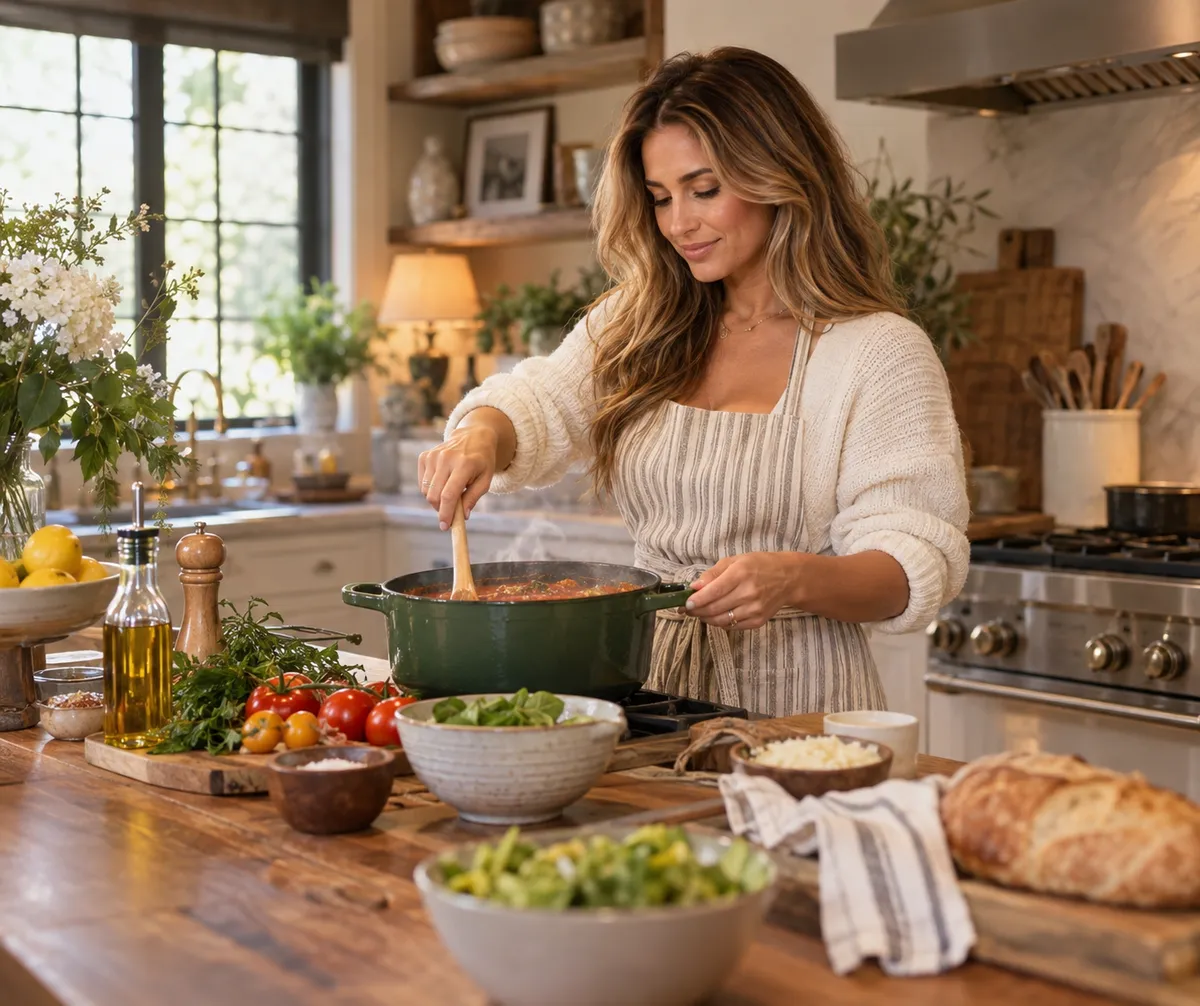
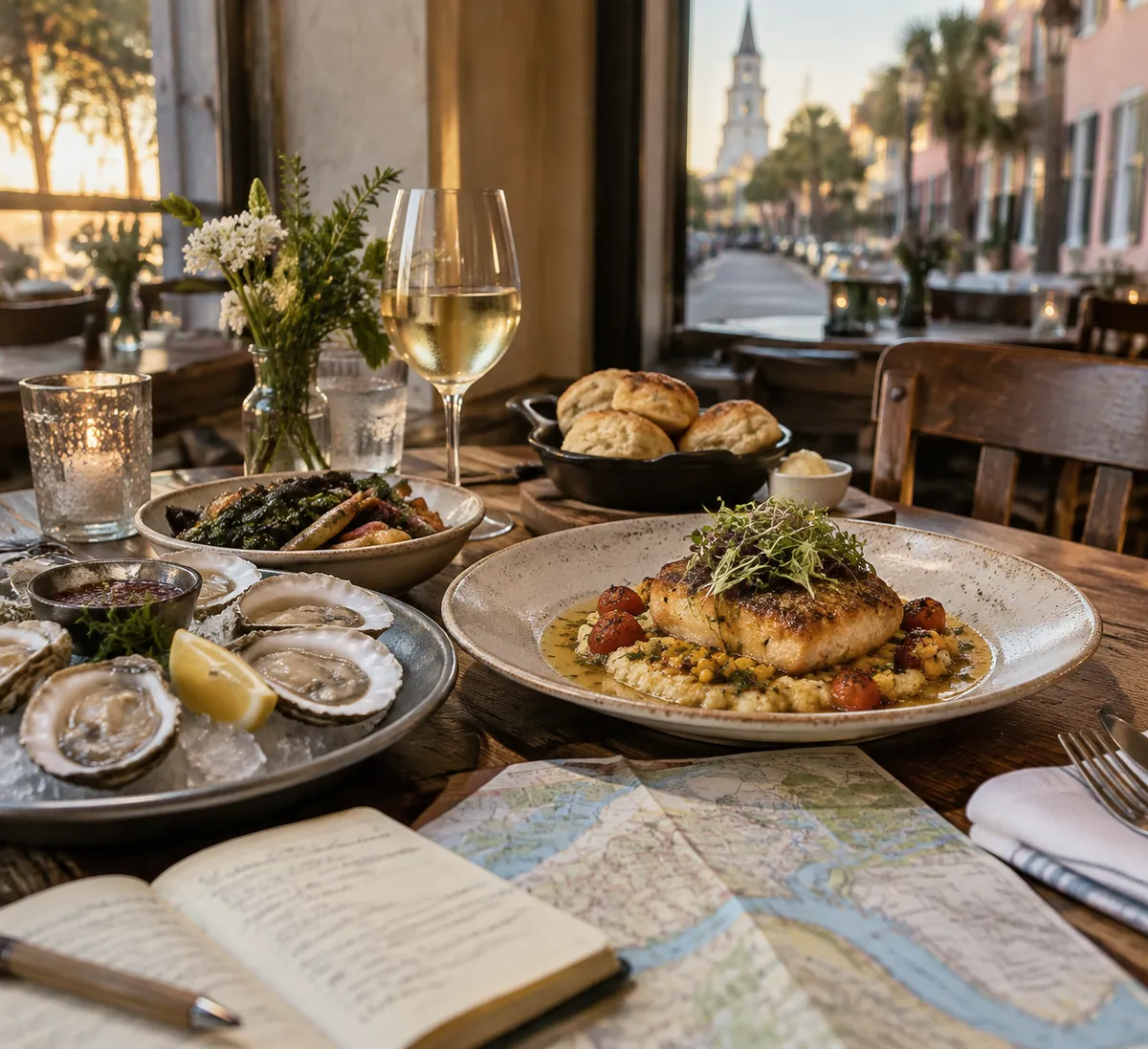
Carla Hall has shared her favorite Charleston restaurants, along with a simple trick she uses to find great food when she travels, according to Travel + Leisure. The details of her picks and her exact method sit in that original interview, and I won't guess at them here. What I can do is show you why a chef's way of choosing a meal is worth borrowing, and how to turn it into a plan for your own Charleston trip.
What we know from Travel + Leisure
Travel + Leisure reports that Hall named her favorite Charleston restaurants and described a straightforward strategy for discovering good food on the road. That's the foundation. Charleston is widely treated as a major culinary destination, and a chef's recommendations carry weight with travelers planning a taste-led trip.
For the specific restaurant names and the full wording of her trick, read the original Travel + Leisure piece. Quotes and details are best taken from her directly rather than paraphrased by someone else.
Why a chef's picks beat a ranked list
A chef eats differently from most visitors. Chefs tend to look for places where the cooking is rooted in the place itself, rather than where the reviews are loudest. That's my read, not Hall's statement, but it's a useful lens when you read any chef's recommendations.
When you see a chef's favorites, ask three things:
- What kind of place is it? A casual counter and a tasting-menu room serve different needs. Match the pick to your day.
- What is it known for? Note the dish or tradition, not just the name.
- Where does it sit on the map? Clustering your meals by neighborhood saves time and lets you wander between stops.
Build your own Charleston food map
Hall's picks work best as anchors. Here's a doable way to build a trip around them.
Step 1: Pick two or three anchors
Take the restaurants Hall names and choose a few that suit your budget and schedule. Reserve the ones that take reservations before you travel, since popular Charleston spots can fill up. Check each restaurant's own site for current hours and booking.
Step 2: Leave gaps on purpose
Don't schedule every meal. Leave at least one lunch or dinner open so you can follow what you find on the ground. This is the spirit of any good travel-eating approach: plans give you structure, but the best discoveries are often unplanned.
Step 3: Order what the place is about
Once you're seated, ask your server what the kitchen is proudest of, or what locals order. It costs nothing and often points you to something that isn't the obvious menu headliner.
How to eat like a local anywhere
Whatever Hall's specific trick turns out to be, these habits make any food trip better:
- Ask people who work there. Hotel staff, bartenders, shop owners and market vendors eat in the neighborhood every day.
- Eat where the lunch crowd is. A full room of regulars at midday is a good sign.
- Go to a market. Seeing local ingredients tells you what restaurants are likely cooking.
- Eat at off-peak times. Early or late meals are easier to get and the staff has more time to talk.
- Repeat what works. If one place wins you over, go back and try a different dish.
Why Charleston rewards a food-first trip
Charleston keeps drawing travelers who plan around meals. A food-first itinerary here gives you a reason to slow down: you move from table to table, learn what the kitchens are cooking, and build the days around where you'll eat. That's the same logic behind choosing any destination through its dishes. The food becomes your guide to the place, and the place explains the food.
Your move
Before you book anything, open Hall's original interview at Travel + Leisure, pick two of her restaurants, and reserve them. Then leave one meal open and ask a local where they'd go. That combination of a trusted recommendation and a little curiosity is how a good food trip gets made.