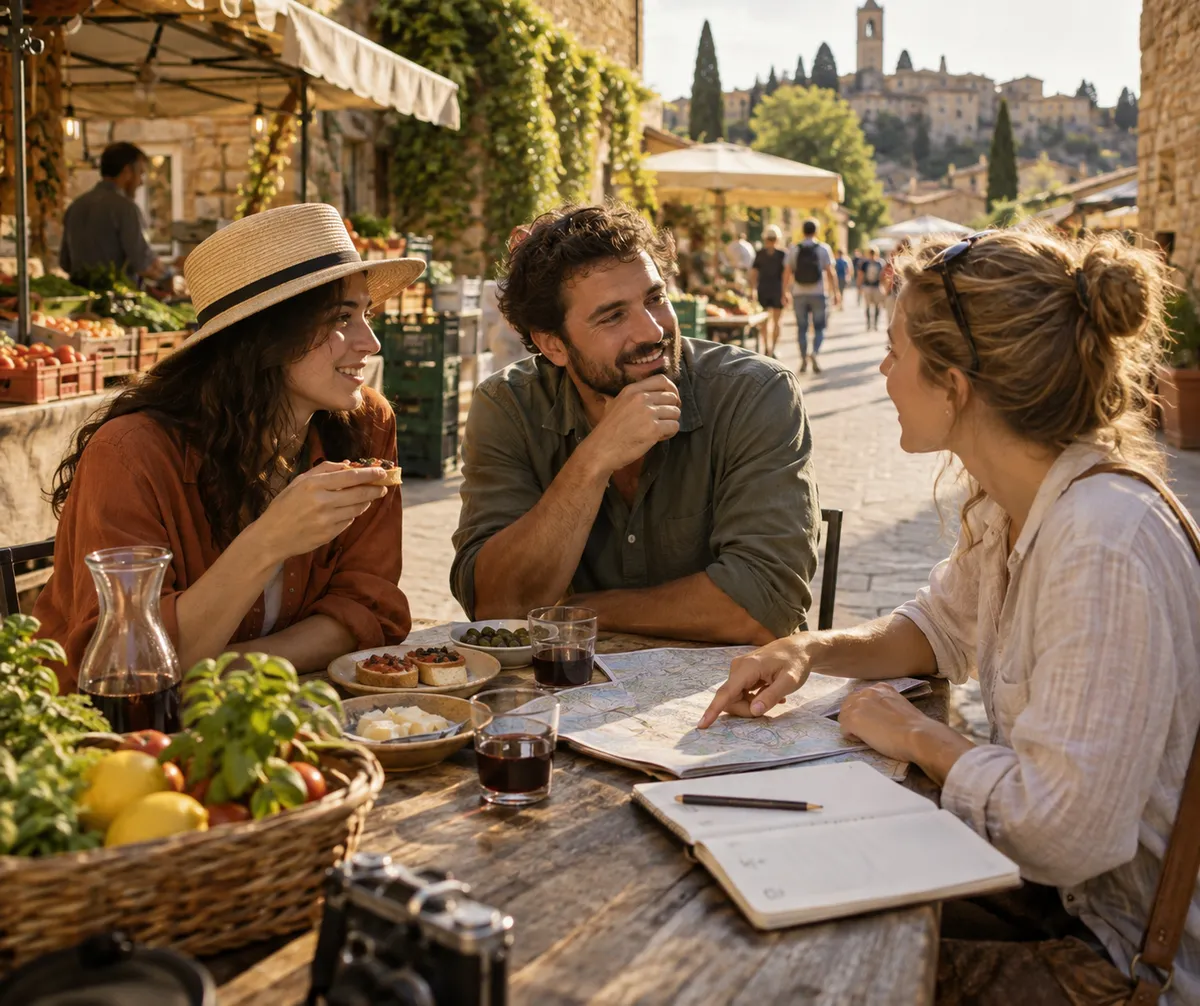
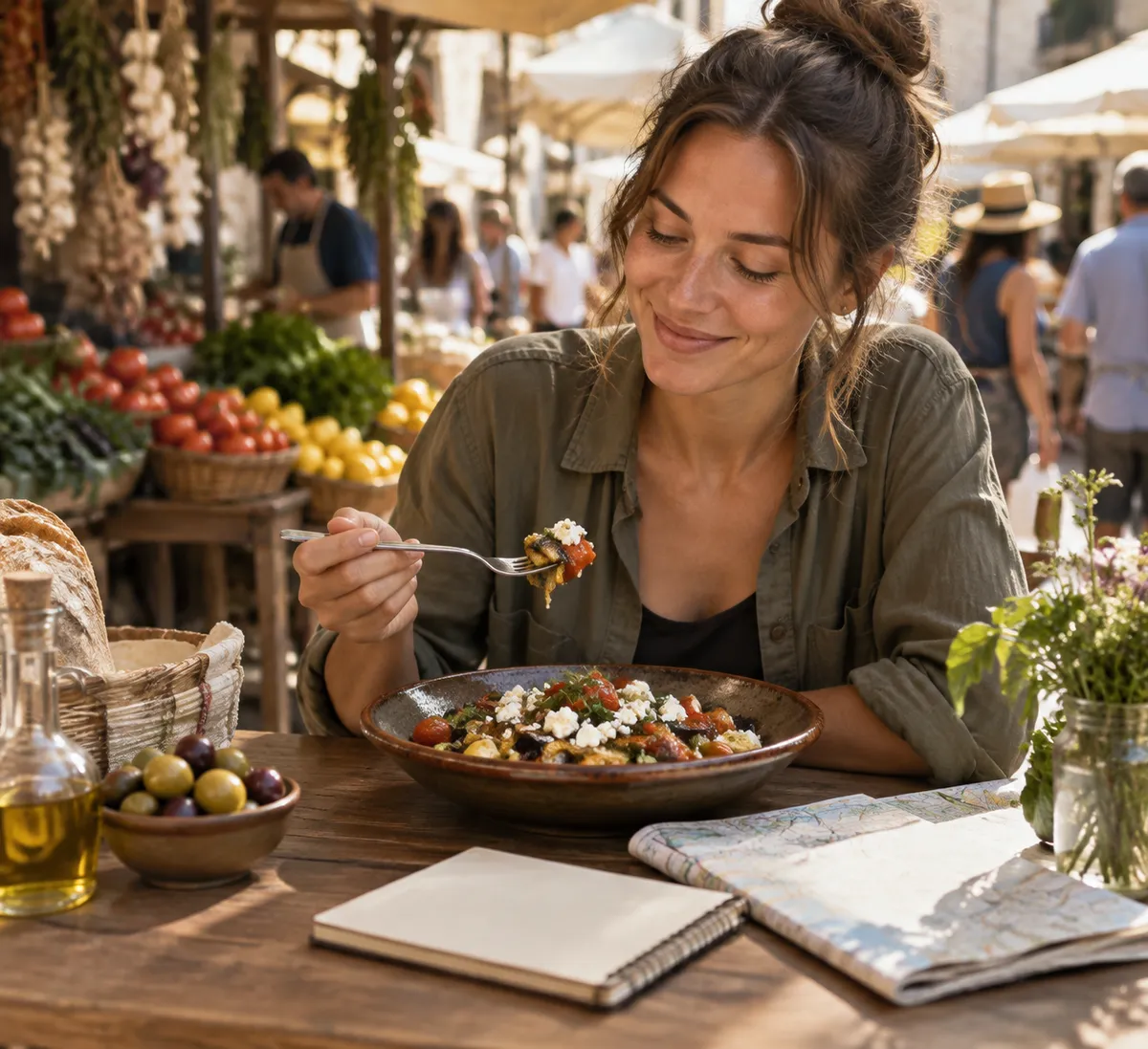
Build a trip around what you'll eat, and the sights tend to sort themselves out. A market stall leads you to a neighborhood. A bakery line leads you to a conversation. Real Simple makes the case for planning vacations around food and lays out nine tricks for doing it well. Here's how to use them, with one goal: a food-first itinerary that doesn't turn into a spreadsheet.
The angle that matters most is balance. You want a few anchor meals, a few flexible windows, and enough research to recognize a great plate when you see one.
Start With the Dish, Not the Destination List
Research local specialties before you go
Before you book anything, find out what the place is known for eating. Regional dishes are the fastest route to understanding a destination, because they tell you what grows there, what people cooked with, and what they still gather around. Keep a short list of five or so dishes you want to try. That list becomes your compass when menus get long and confusing.
Build your itinerary around standout meals
Pick the meals you refuse to miss, then place everything else around them. If a famous lunch is across town, that's your morning plan: explore that neighborhood first, eat, then wander on. Treat meals as fixed points and sights as the filler between them, not the other way around.
Find the Food Locals Actually Eat
Ask locals where they actually eat
The phrasing matters. "Where should I eat?" gets you the tourist answer. Try "Where do you go when you're not celebrating anything?" or "Where would you take your family on a Tuesday?" Hotel staff, shopkeepers, taxi drivers, and the person next to you at the market are all fair game. Ask more than one person, and trust the places that come up twice.
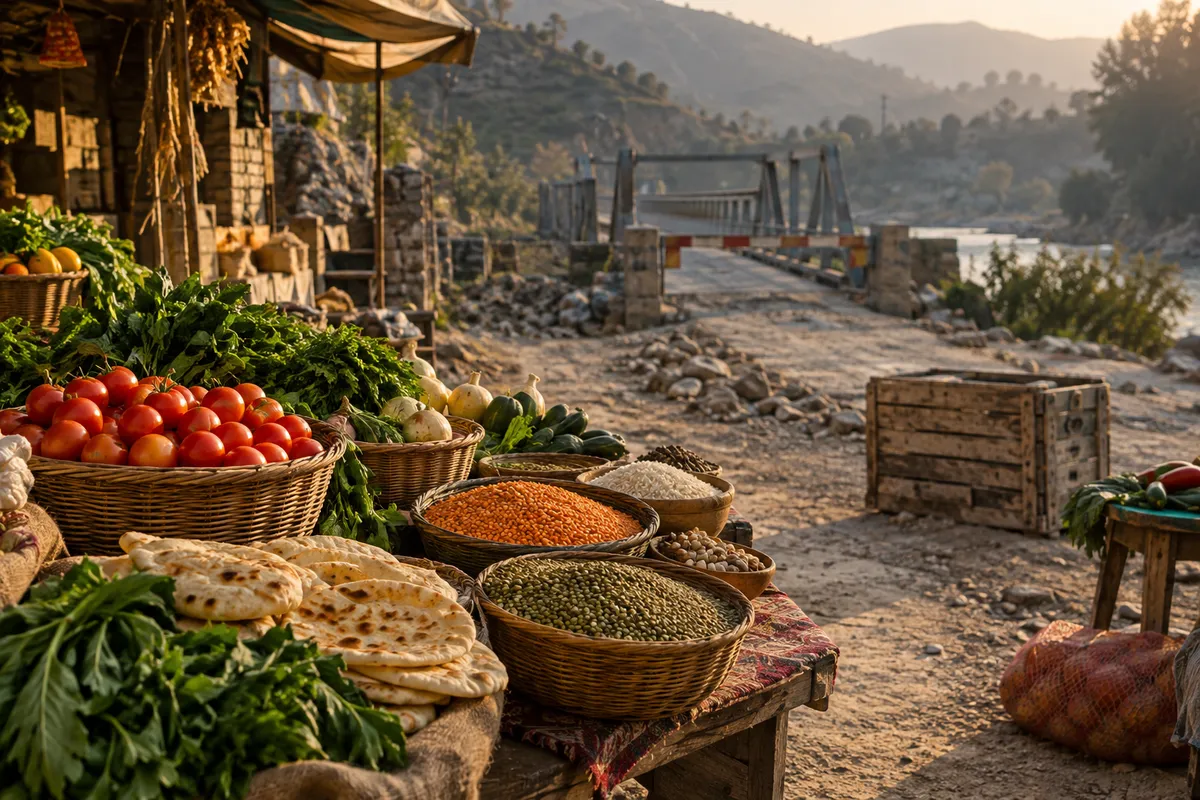
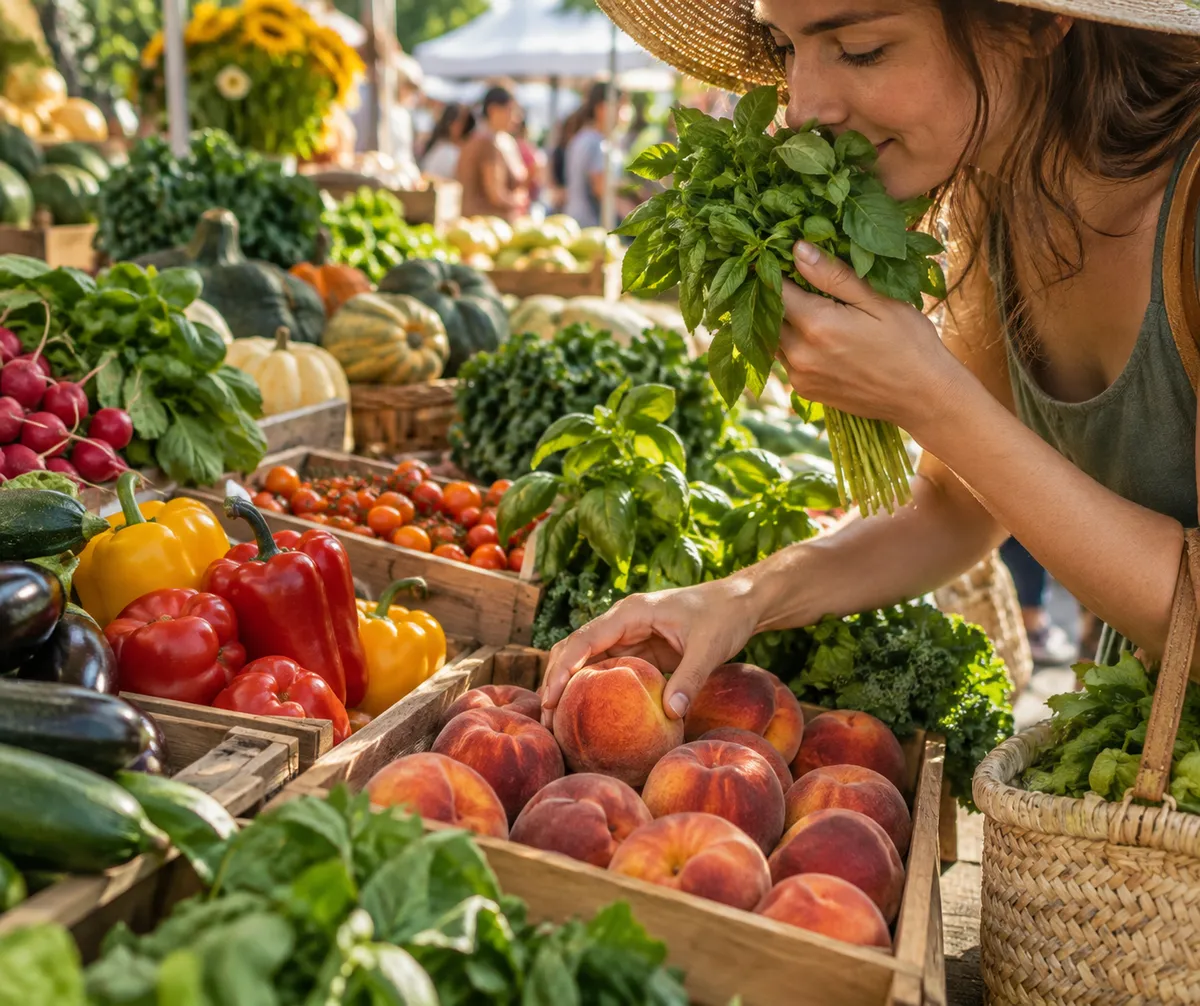
Visit markets, bakeries, and food halls
These are the most efficient food stops on any trip. You can sample several things cheaply, see what's in season, and watch what locals buy. Markets show you the ingredients behind the regional dishes you researched. Bakeries give you an easy, inexpensive breakfast or snack that's usually specific to the area. Food halls let a group with different appetites each get what they want.
Lock In the Few Things That Need Locking
Book key restaurants in advance
You don't need reservations everywhere. You need them for the one or two meals that would genuinely disappoint you to miss. Book those first, then fit your days around them. Everything else can stay loose.
Leave room for spontaneous finds
This is what keeps a food-first plan from feeling like homework. Leave at least one meal per day unplanned. Some of the best discoveries are the place with a line of locals out the door or the smell that stops you on a side street. If every slot is booked, you can't say yes to those.
A simple rule: plan your dinners, improvise some lunches, and keep snacks wide open.
Let Someone Else Show You Around
Take a food tour or cooking class
Early in a trip, a food tour or cooking class gives you context fast. You learn what you're eating, how it's made, and which neighborhoods to return to. A cooking class has a bonus: you leave with a skill you can repeat at home, so the trip keeps showing up in your kitchen.
Make the Trip Last After You Get Home
Shop for edible souvenirs
Food is a souvenir you'll actually use. Look for regional specialties from the markets and shops you visited, the kind of thing that tastes like the place. Check your airline and customs rules before you buy anything perishable, since what you can carry home varies by destination.
Document meals as part of the trip memory
Take the photo, but also jot down the name of the dish, where you ate it, and who you were with. A quick note on your phone is enough. Months later, a list of meals tells the story of a trip better than a camera roll full of landmarks, and it gives you a ready-made list for the next visit or for a friend heading the same way.
A Simple Food-First Template
If you want to put this together in an evening, try this:
- Before you leave: list five local dishes and book one or two must-have meals.
- Each day: one planned meal, one market or bakery stop, one open slot.
- Early in the trip: a food tour or class.
- Last day: pick up edible souvenirs and write down your favorites.
That's it. The structure is light on purpose.
Your Next Move
Open your next destination and find the one dish people travel there to eat. Book that meal first, then let the rest of the trip fall into place around it.