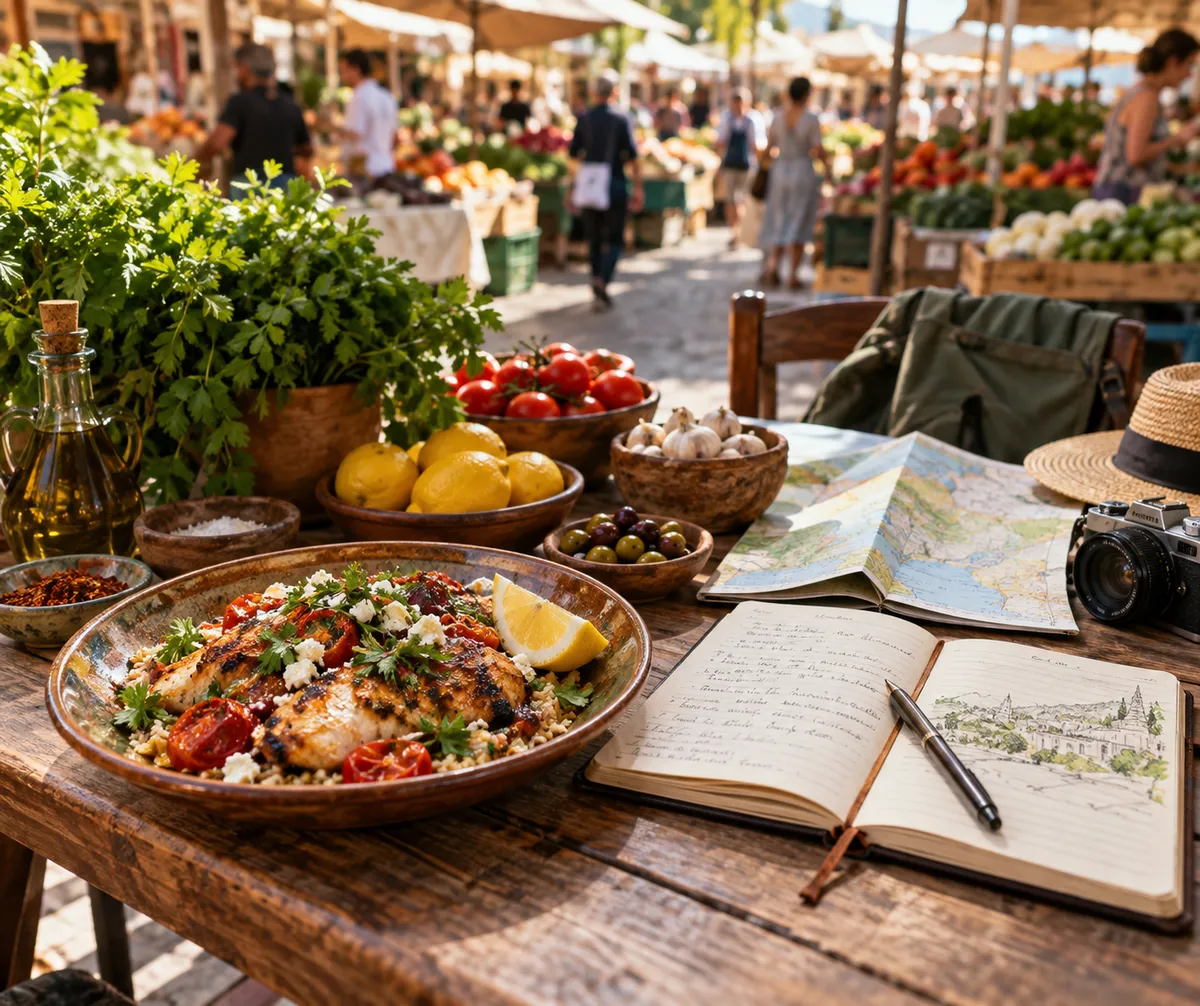
National Geographic recently published a roundup of 15 of the best places in the world for food right now. Lists like that are great for daydreaming and terrible for actually booking anything. This piece skips the ranking debate and gives you a method: how to take any food destination list, including that one, and turn it into a trip built around what you want to eat.
One caveat up front. The details of National Geographic's 15 picks aren't something I can reproduce here, so I won't guess at which places made the cut or what the magazine recommends in each. Read the original for that. What follows works with whatever destination you land on.
Why food-led trips work
Per the trend behind lists like this one, more travelers are choosing destinations based on local dining, street food, markets, and regional identity. It makes sense. A dish is a compact way to understand a place: what grows nearby, what people cooked when money was tight, what they still cook for celebrations. Starting with food gives your trip a spine, and it makes decisions easier when you're standing in a new city with too many options.
Step 1: Pick the place by the dish, not the ranking
A "best in the world" label is an invitation to argue, and that's fine. Whether a destination deserves the top spot matters less than whether it serves the food you're curious about.
Try this with the list in front of you:
- Circle every destination where you can name at least one dish you'd cross a country to eat.
- For the ones where you can't, ask whether that's a reason to go. Curiosity counts.
- Cut anything that feels like homework.
You'll usually end up with two or three real candidates. That's enough.
Step 2: Compare famous with underrated
If your shortlist includes a famous food city, look at what surrounds it. Famous destinations are famous for good reasons, but they also mean reservations, queues, and tourist-facing menus. Nearby towns and regions often share the same culinary traditions with less pressure.
A simple way to decide: if you want the headline dishes done at the highest level, go to the famous city. If you want to see how the same traditions look in daily life, add a smaller stop. Many good food trips do both.
Step 3: Build a "what to eat before you go" list
This is the step that changes how a trip feels. Before you book, spend an hour learning the local menu.
- Name five dishes. Find the regional staples, not only the ones that photograph well.
- Learn the ingredients. What is the local grain, fat, spice, or preserved item that shows up everywhere?
- Learn the context. Is it a breakfast food, a street snack, a holiday dish, a late-night order?
- Learn the vocabulary. Know how to read a menu and how to ask what's good today.
With this in hand, you stop pointing at whatever's nearest and start ordering with intent.
Step 4: Anchor each day around a market
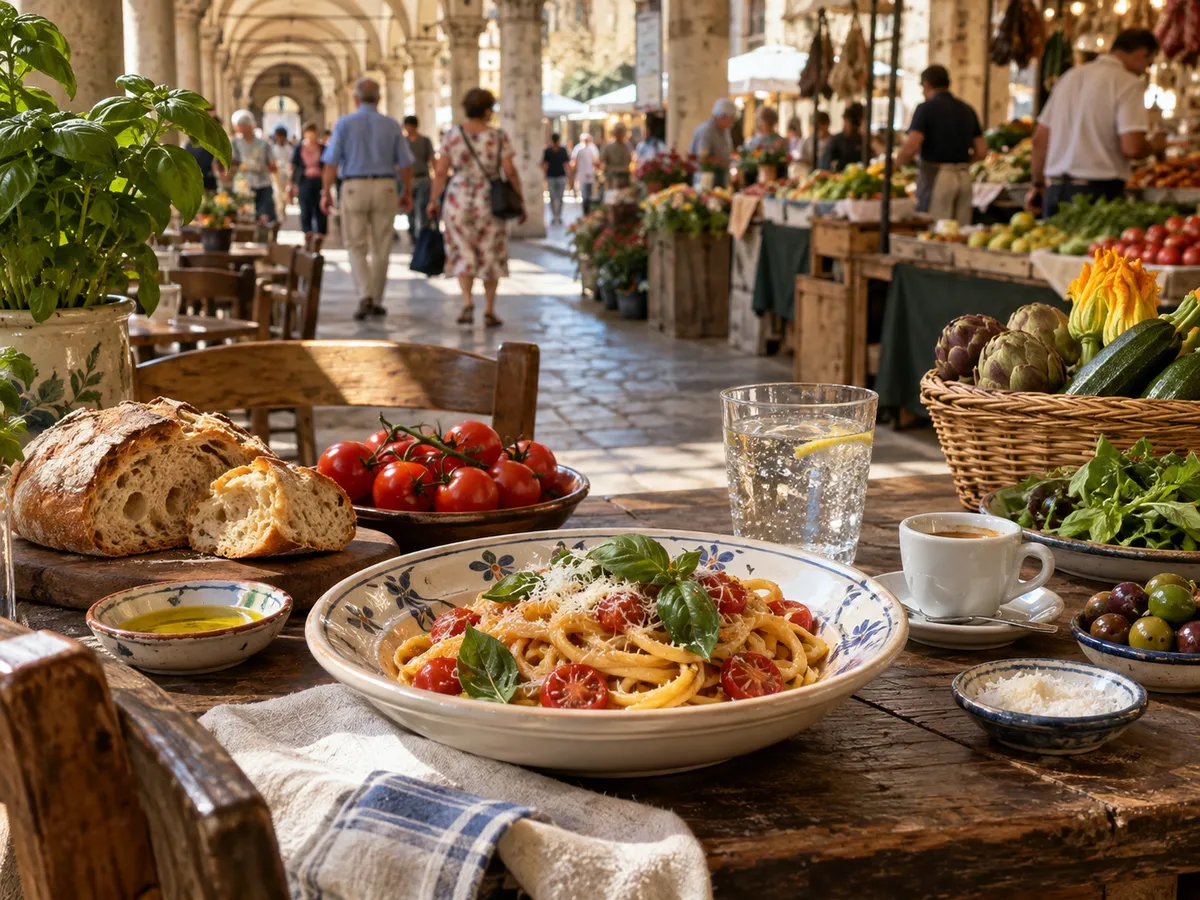
Markets are the fastest way to see the ingredients behind the dishes. Plan your days so one market visit comes early, then let it shape the rest.
- Walk it once without buying anything. Notice what's piled highest; that's what's in season and what locals want.
- Eat something standing up. Stall food is usually the market's best argument for itself.
- Ask a vendor what they'd cook tonight. People enjoy being asked, and you'll leave with a dinner idea.
Then match what you saw to the dishes on your pre-trip list. That connection between ingredient and plate is the whole point of food travel.
Step 5: Mix planned meals with open ones
Book one or two meals you really care about, especially at popular places. Leave the rest loose. A good rule is one anchor meal per day and room for a wandering snack or two around it. Over-scheduling every bite turns eating into a checklist, and the best discoveries tend to come from the place you walked past.
Step 6: Eat like a local, practically
Small habits make a big difference:
- Eat at local mealtimes. Restaurants run best when their regulars show up.
- Follow the crowd of residents, not the crowd with cameras.
- Order what the table next to you is eating, politely, if you can't read the menu.
- Choose busy stalls with high turnover, which generally means fresh food.
- Go for the regional specialty rather than the dish you could get at home.
Step 7: Take something home
Finish the trip by choosing one ingredient, spice, or condiment to bring back, if customs rules allow. Check your country's food import rules first. Cooking one dish from your trip a few weeks later extends it, and it tests whether you actually understood what you ate.
Settle the debate your own way
Lists like National Geographic's are built to start arguments: which place deserves number one, which is overrated, which was left off. Enjoy that, then ignore it. Your best food destination is the one where you've done the homework, shown up hungry, and eaten the thing people there actually love.
Pick one place from the list this week, write down five dishes you'd want to try there, and let that page decide whether it earns a booking.