Weekly restaurant dining has fallen to a record low. A new Gallup poll, reported by Fox News, found that just 39% of U.S. adults ate out at least once a week in 2026, down sharply from pre-pandemic levels. Middle- and upper-income adults cut back the most, per the report.
That doesn't mean Americans have given up on restaurants. The reporting frames it as a shift: people are getting more selective. If you're one of them, this article is for you. You'll leave with a practical way to choose the meals that deserve your money, and a food-first lens for picking them.
What the numbers actually say
The headline figure is 39% of adults eating at a restaurant weekly. Fox News, summarizing the Gallup findings, points to several reasons behind the pullback: value, costs, safety concerns and changing habits. Restaurants are also dealing with higher food and supply costs of their own, which adds pressure on both sides of the table.
The takeaway from the reporting is that dining out is moving from a routine family habit toward an occasional treat. That's a useful frame, because a treat deserves to be chosen, not defaulted into.
Treat dining out like a destination, not a default
When eating out was a weekly reflex, the nearest chain often won. When it's a few times a month, you can afford to ask a better question: what can I eat here that I can't make at home?
That question is the heart of food-led travel, and it works in your own city too. Every region has dishes that depend on specific ingredients, techniques or traditions that don't translate to a weeknight kitchen. Those are the meals that justify the bill.
Order the dish the place is known for
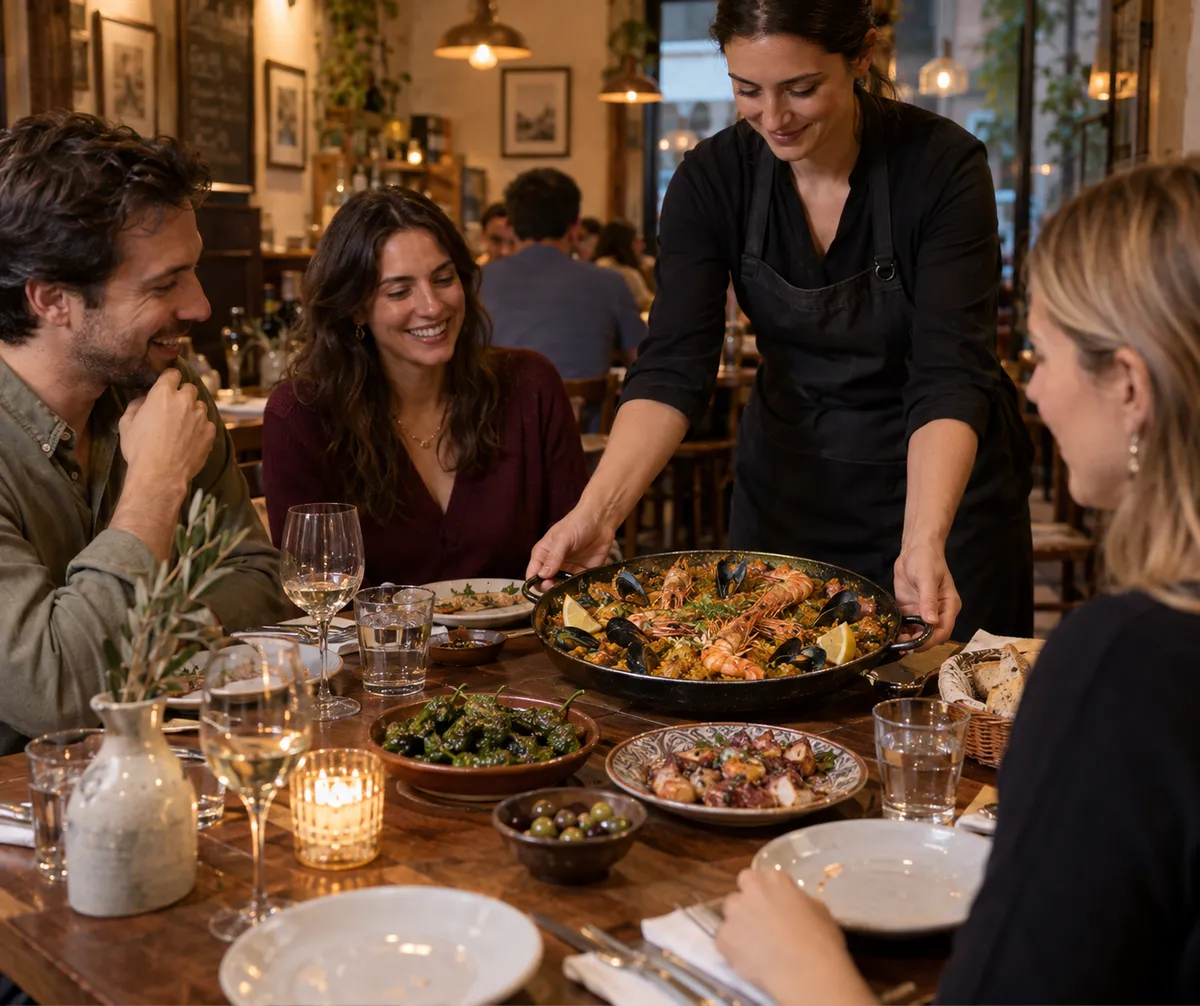
A coastal town's fried clams, a smokehouse's brisket, a family-run spot's handmade dumplings: these are the plates where the kitchen's skill and local sourcing show up. Skip the generic menu items you could replicate with a skillet and a recipe.
Skip what's easy to cook at home
Pasta with jarred-style sauce, a plain grilled chicken breast, a basic salad. If the dish is simple and you already own the ingredients, save it for your own stove and spend restaurant money on the complicated stuff.
A simple test before you book
Use these quick checks before you commit to a table. They are my suggestions, not findings from the poll.
- Can you name the dish you're going for? If you can't, you may be paying for convenience, not food.
- Does the menu reflect its place? Local ingredients and regional specialties usually signal a kitchen with a point of view.
- Is it a special occasion or a Tuesday? Match the spend to the moment.
- Would you tell a friend about it? If the answer is no, cook at home that night.
Where to find value that still feels worth it
The reporting highlights value as a driving concern, so it's reasonable to look for places where the price and the experience line up. A few ways to find them:
- Visit markets and food halls. You can sample several local specialties without committing to a full sit-down check.
- Look at lunch. Many restaurants serve the same kitchen's work at a lighter price midday. Check menus online before you go.
- Ask locals. Chefs, market vendors and shop owners tend to know which neighborhood spots deliver. Ask where they eat on their day off.
- Share plates. Ordering a few signature dishes for the table lets you taste more of what a place does best.
Prices and offers vary by restaurant, so confirm details directly before you go.
Don't forget the cooking-at-home half
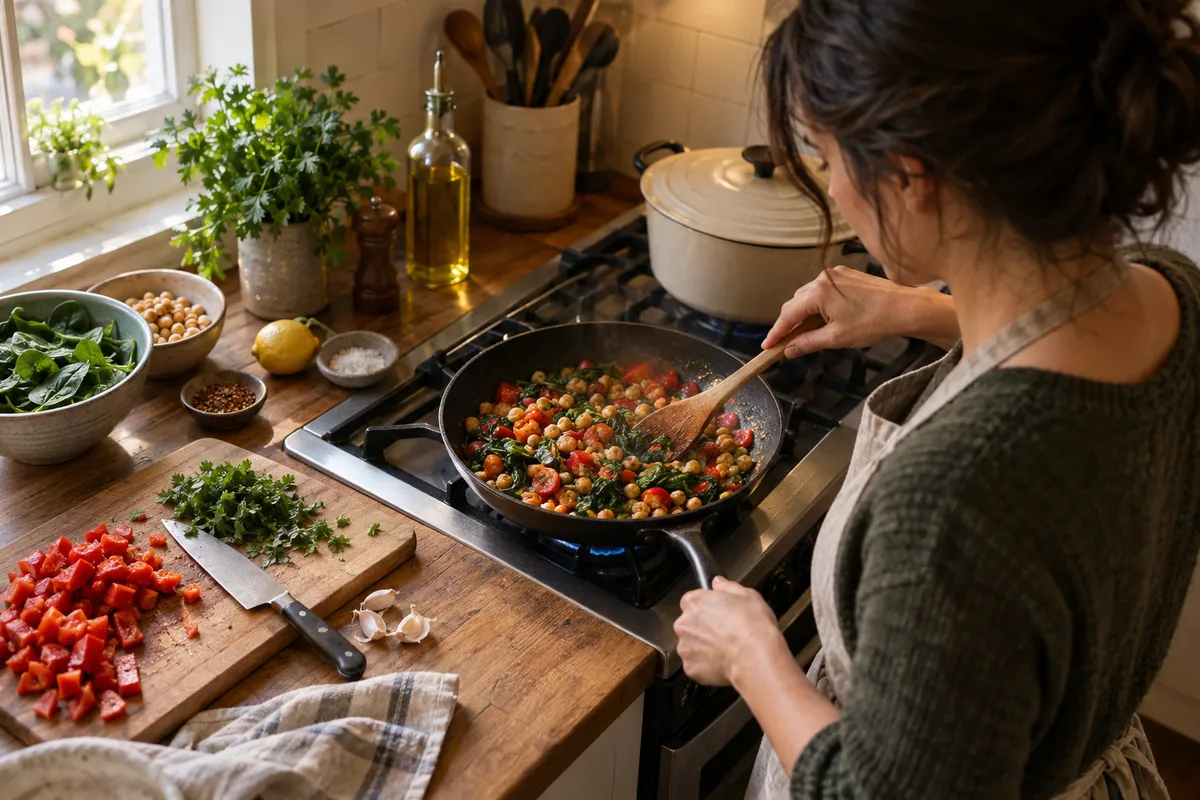
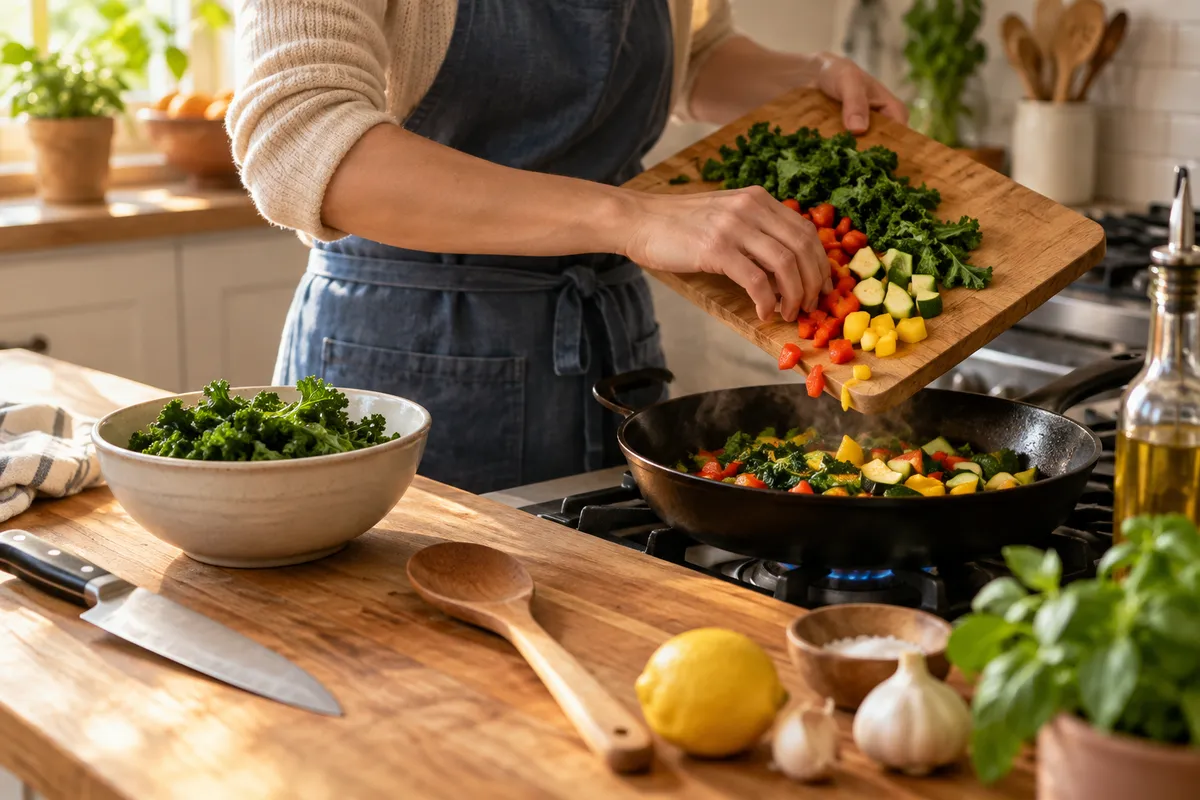
Eating out less pairs naturally with cooking more, and that can be a way into regional food too. Buy the local ingredient at the market, whether that's seasonal produce, a regional cheese or a particular chile, and build a meal around it. Then, when you do go out, you'll better appreciate what a professional kitchen adds.
The poll doesn't tell us which approach saves more money for any given household, so run your own numbers. Compare what you'd spend on a typical restaurant night with what the same meal costs to make, and decide where the splurge makes sense.
What restaurants can learn from this
If customers are choosing carefully, the places most likely to win them back are the ones that offer something distinctive: a dish with a story, honest pricing, and clear care about food safety, which Fox News lists among the concerns shaping behavior. That's analysis, not a prediction from Gallup, but it matches how diners tend to talk about places they return to.
The takeaway
With fewer nights out, each one carries more weight. Before your next reservation, pick the one dish that makes the place worth visiting, and build the night around it.