
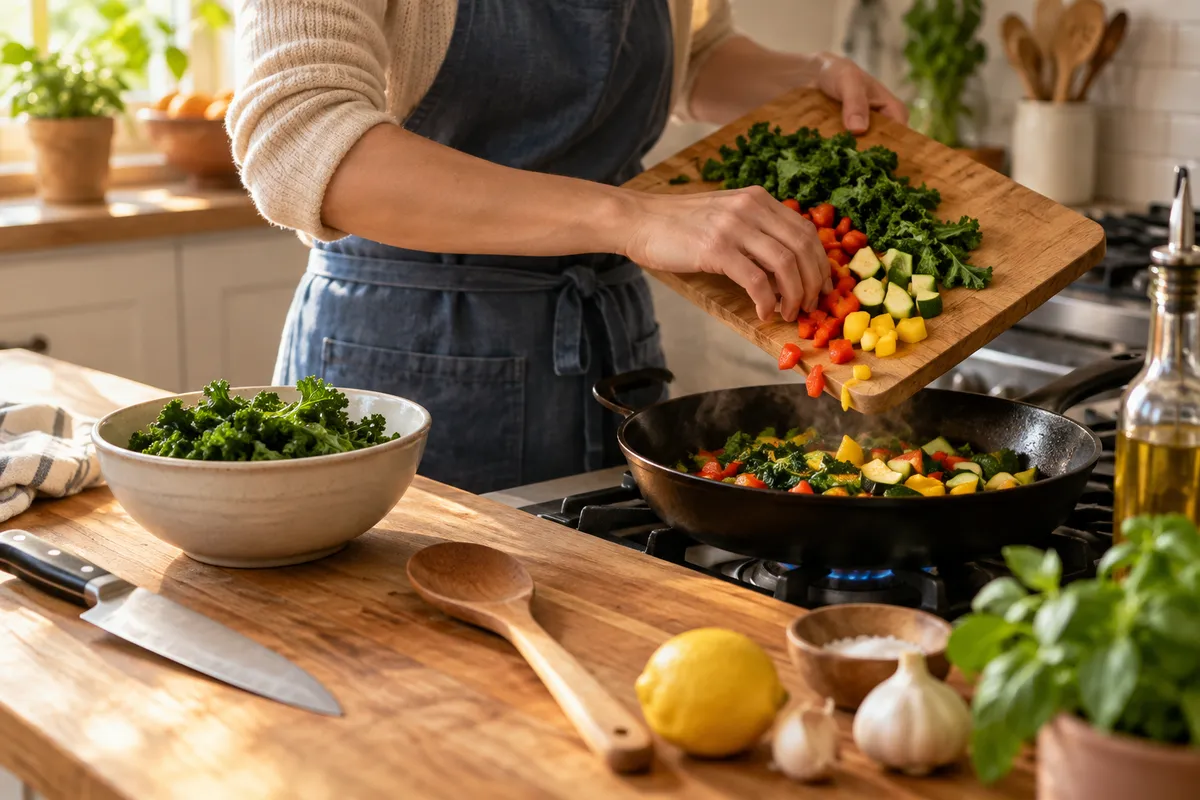
BuzzFeed Shopping recently published a roundup of 26 products pitched at people who want to begin their "home cook era." The pitch is familiar: cooking more at home feels like a lifestyle upgrade, a way to save money, and a break from takeout fatigue. The roundup's own framing is that the right gear makes cooking feel easier and more approachable.
The summary of that list doesn't spell out what the 26 products are, so I won't pretend to tell you what's on it. What I can do is offer a way to use the idea well: instead of buying 26 things, let one dish decide what you buy. You'll finish this with a method for choosing tools, and a first-week plan that doesn't require a cart full of gadgets.
Start With a Dish, Not a Shopping List
The fastest way to end up with kitchen clutter is to buy tools for a version of yourself who cooks everything. The fastest way to become a home cook is to pick one dish you actually want to eat and learn it.
Regional dishes are a great place to start, because they were designed around limited equipment. Many classic home dishes come from kitchens with a pot, a pan, a knife, and a fire. Pick something tied to a place you're curious about: a pasta from a region you've visited, a rice dish, a soup, a braise. Then ask one question: what do I need to make this once?
That question is your filter. If a product doesn't help you make that dish, it can wait.
Build a Tool List in Three Tiers
Here is a practical way to sort any roundup, including BuzzFeed's, before you spend a dollar.
Tier 1: Buy before your first cook
These are the things you'll touch every time you cook: something to cut with, something to cook in, something to stir with, and something to cut on. If you don't own a workable version of each, start here. Prioritize comfort in your hand and stability on the counter over fancy features.
Tier 2: Buy after your third cook
By your third meal, you'll know what frustrates you. Maybe you keep hunting for a spoon, or your food sticks, or you can't tell when things are done. Buy the tool that solves the specific annoyance you just felt. This is how a kit stays small and useful.
Tier 3: Buy only if you keep making the same thing
Specialty gear earns its spot through repetition. If you've made the same dish four times and wish it were faster or more consistent, a specialized tool starts to make sense. Before that, it's a bet on your future habits.
Use the Market as Your Guide
The most useful thing you can do for your cooking isn't a purchase at all. Walk through a local market or the produce section with one dish in mind and see what looks best this week. Cooking what's in season and nearby tends to make simple food taste good, which does more for a beginner's confidence than any gadget.
A few habits help:
- Buy ingredients for one dish, plus one extra vegetable you can cook simply.
- Ask the person selling the produce how they'd prepare it. Vendors usually have opinions, and they're often good ones.
- Keep a short pantry of basics you'll reuse: oil, salt, an acid like vinegar or lemon, and a couple of dried spices tied to your chosen dish.
A First Week That Doesn't Overwhelm You
The appeal of a "home cook era" is the fresh start. The risk is trying to change everything on Monday. Try this instead.
- Day one: Read your chosen recipe all the way through. Lay out your tools and see what's missing.
- Day two: Shop for ingredients, and buy only the missing Tier 1 items.
- Day three: Cook the dish. Expect it to be imperfect and take longer than the recipe says.
- Day four: Eat leftovers and write down one thing you'd change.
- Day five: Cook a simpler version of something using the same ingredients, such as eggs, a quick sauté, or a grain bowl.
- Weekend: Cook the original dish again. The second attempt is where the skill shows up.
That's two cooks of one dish, one quick improvised meal, and a clear idea of what Tier 2 purchase would help. It costs far less than outfitting a whole kitchen.
How to Read a Product Roundup Without Overspending
Roundups like BuzzFeed's are useful as idea menus, and BuzzFeed positions its picks as practical and vetted. Still, they're built to show you many options at once. Treat them accordingly:
- Match each item to a dish you'll cook this month. If you can't name the dish, skip it.
- Check what you already own. A pot or pan you have may do the same job.
- Wait on anything you'd use less than once a week. It'll still be for sale after you've learned what you need.
- Favor tools that work across many dishes. The more cuisines a tool serves, the safer the purchase.
This is also where food-first thinking pays off. Tools are easier to choose when you know what you're cooking and why. A pan you bought to make a dish you love gets used. A pan you bought because it looked good in a list tends to live in a cabinet.
Confidence Is the Real Starter Kit
Intimidation is what keeps most people from cooking, not a lack of equipment. The cure is repetition with low stakes: one dish, a handful of tools, and permission to make it badly the first time.
So before you open any list of 26 products, choose one dish tied to a place you want to taste at home, write down the three things you need to make it, and cook it this week.