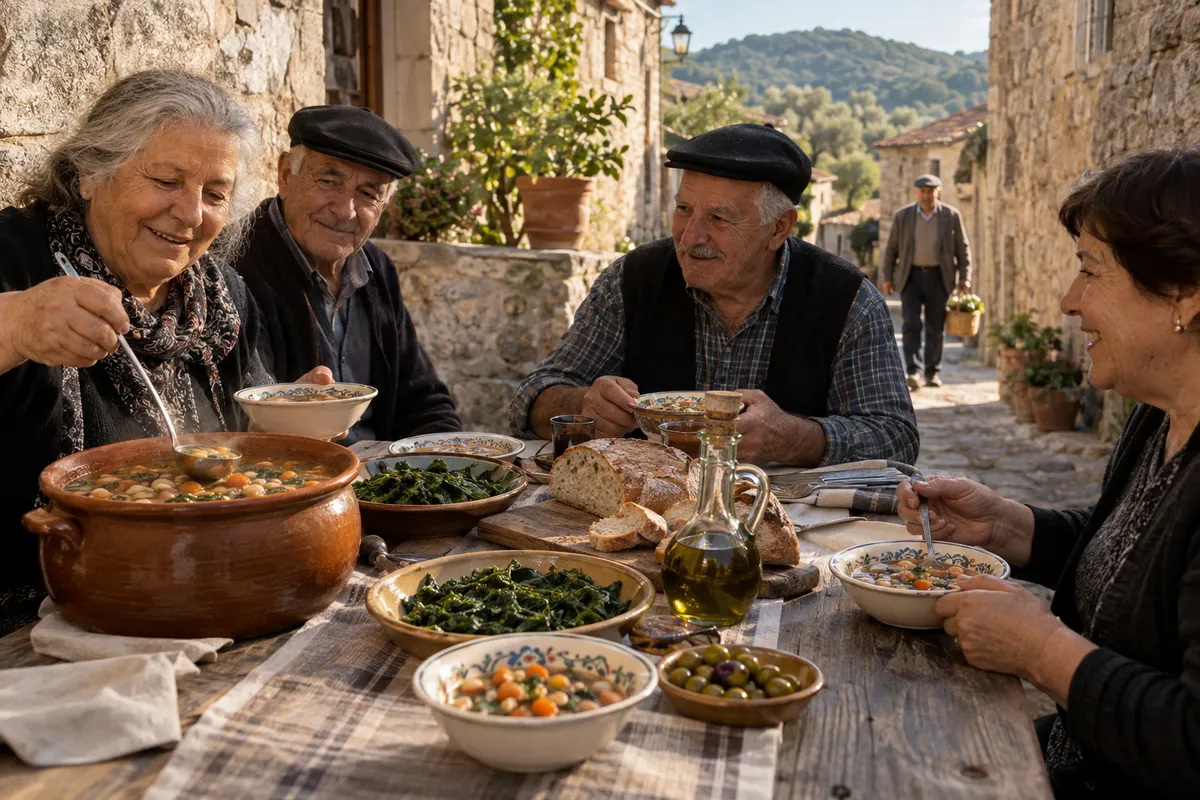
In the Sardinian village of Bolotana, 10 people have reached 100 among 2,262 residents. That ratio has caught the attention of National Geographic researchers, who are studying the village as a potential new "blue zone," according to Fox News. By the end of this piece, you'll know the three daily habits reported there and how to build a version of them into an ordinary week, starting with the food.
A caveat first: Bolotana is described as a potential blue zone, which means the research is ongoing. Treat what follows as a look at habits associated with a place, not a proven recipe for reaching 100.
Habit 1: A mostly plant-based table
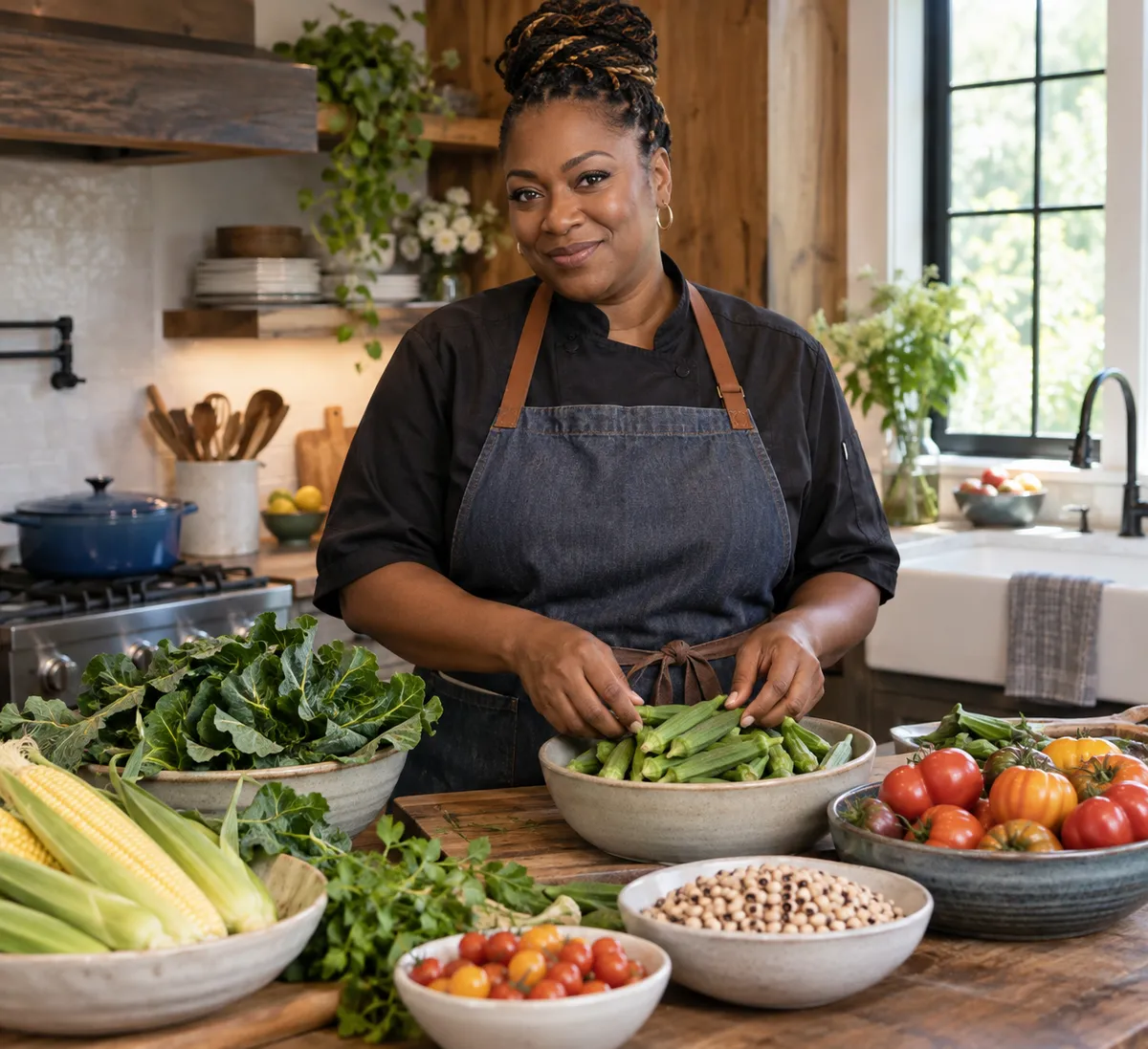
The diet reported in Bolotana is largely plant-based. The source material I have doesn't list a full menu, so I won't invent one. It does point to the kinds of foods that anchor this style of eating: beans, olive oil, and minestrone, the vegetable-heavy soup found across Italian kitchens.
That gives you a practical template even without a village recipe book.
How to cook this way at home
- Make a pot of minestrone once a week. Use whatever vegetables are in season and add beans. It reheats well, so one cooking session covers several meals.
- Put beans in the center of the plate a few times a week rather than treating them as a side.
- Use olive oil as your main cooking fat. Drizzle it over soup at the end, too.
- Build meals around vegetables first, then add smaller portions of everything else.
Notice what this isn't: a list of exotic superfoods. Minestrone and beans are cheap, familiar, and easy to find. That's part of the appeal.
Habit 2: Movement that's built into the day
The second habit is constant, natural movement. The point isn't a scheduled gym session. It's that daily life in the village keeps people on their feet.
It's hard not to see the contrast with how many of us live: we drive to errands, sit through the workday, then try to make up for it in a 45-minute workout. Bolotana's example suggests the reverse might be worth trying, spreading movement through the day instead of concentrating it.
Ways to copy it without moving to Italy
- Walk your errands. Pick one regular trip, such as the bakery, the pharmacy, or the market, and do it on foot.
- Park farther away or get off transit a stop early.
- Take over a chore that involves moving, like tending a garden or hauling groceries home.
- Stand up and move every time you finish a task instead of waiting for a break.
The idea is to make movement the default, so it doesn't depend on motivation.
Habit 3: Strong social connection
The third habit has nothing to do with ingredients, though it often happens around them: strong social ties. Researchers highlight connection as part of daily life in Bolotana, alongside food and movement.
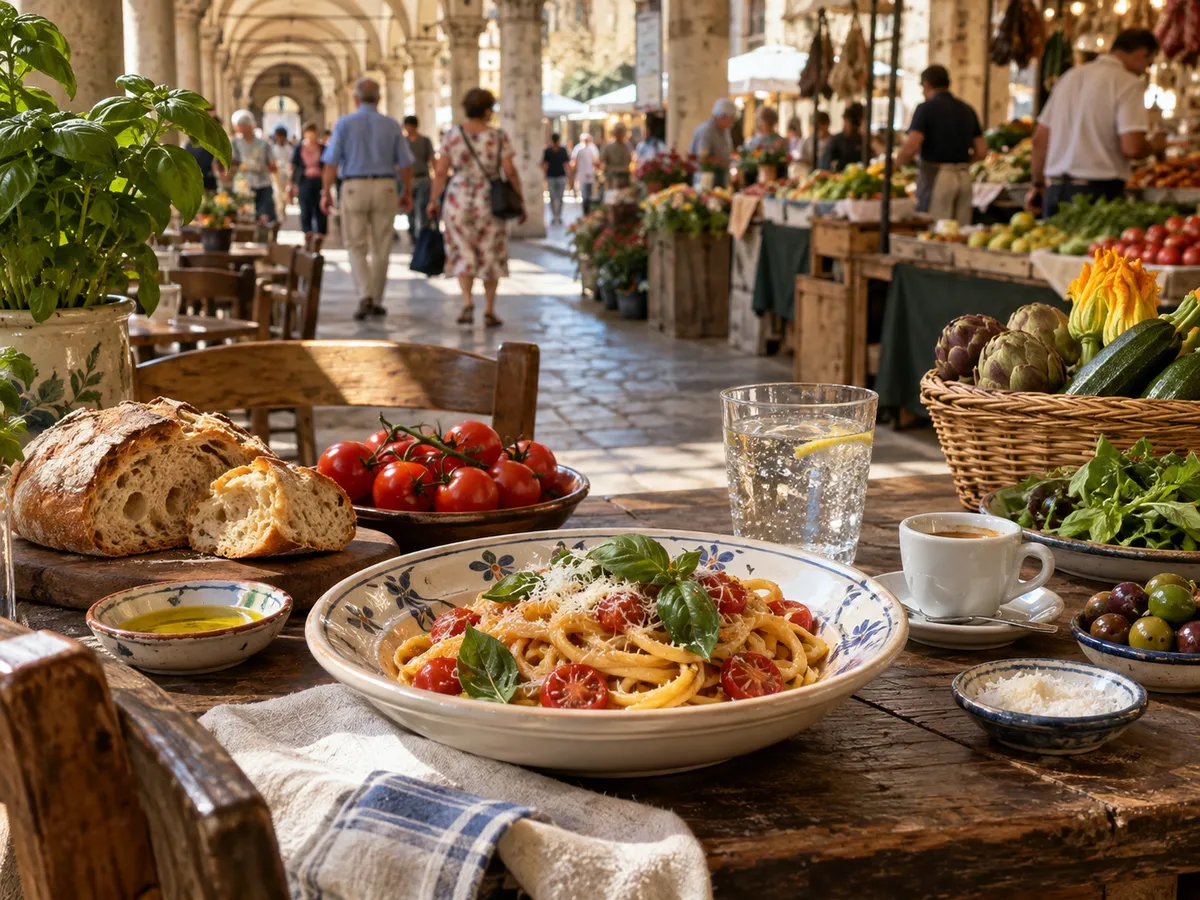
Food is the easiest way into this one. A meal is a ready-made excuse to gather people, and a pot of soup stretches to feed a table.
Easy ways to build it in
- Set a standing meal. A weekly Sunday lunch with family, neighbors, or friends beats an ambitious plan you'll cancel.
- Cook for someone else. Bring soup to a neighbor or invite a friend to share a batch.
- Combine habits. Walk to a friend's house for dinner. Now movement, food, and company are all in one evening.
Why the environment matters more than willpower
The framing that makes Bolotana interesting is that health looks shaped by environment, community, food culture, and daily rhythm, not by discipline alone. That's my read of the story, and it changes how you might approach your own routine.
If you rely on willpower, every healthy choice is a small negotiation. If you arrange your life so the bean soup is already in the fridge, the errand is on foot, and the Sunday table is already set, the good choice is just the easy one.
A simple one-week starter plan
- Day 1: Cook a big pot of bean-and-vegetable minestrone with olive oil.
- Day 2: Walk to one errand you'd normally drive to.
- Day 3: Eat the leftover soup with someone, in person if possible.
- Rest of the week: Repeat whichever step felt most natural.
None of this guarantees a long life, and Bolotana's status is still under study. But these are habits that cost little, taste good, and are easy to enjoy.
Pick one of the three this week, and make it automatic: cook the soup, take the walk, or set the table for someone else.