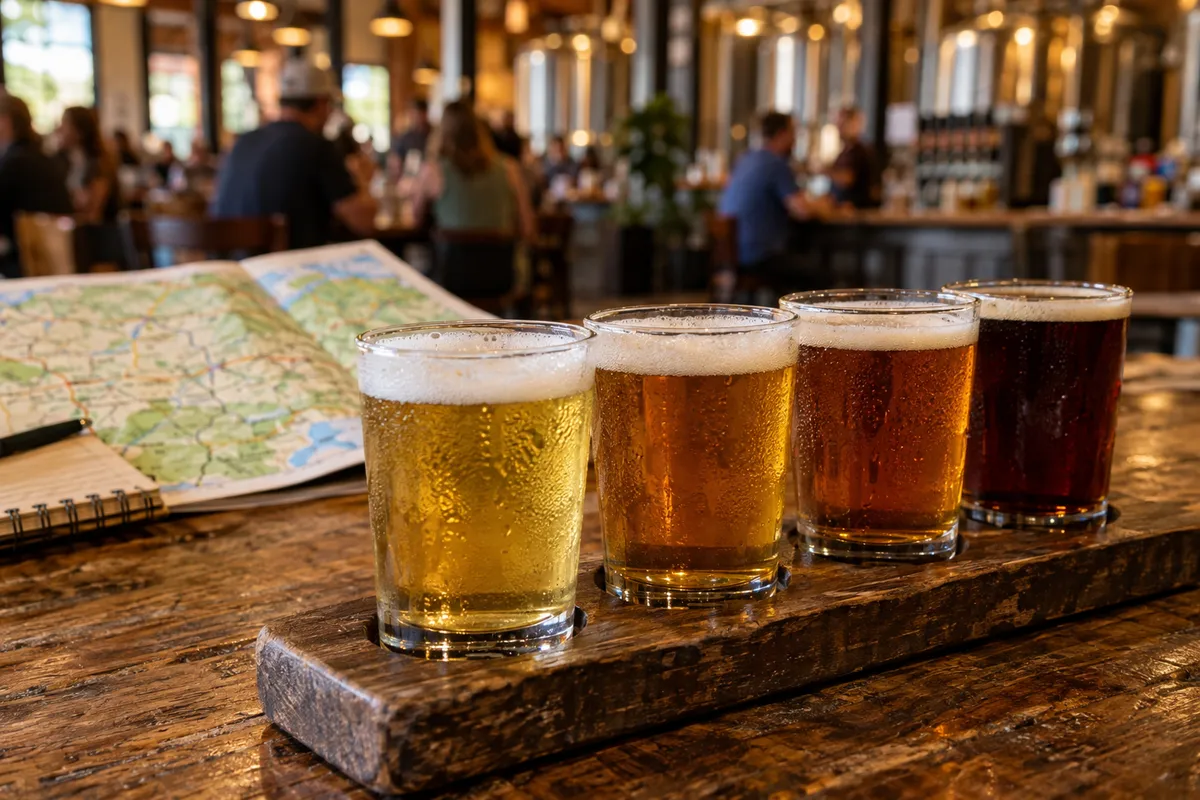
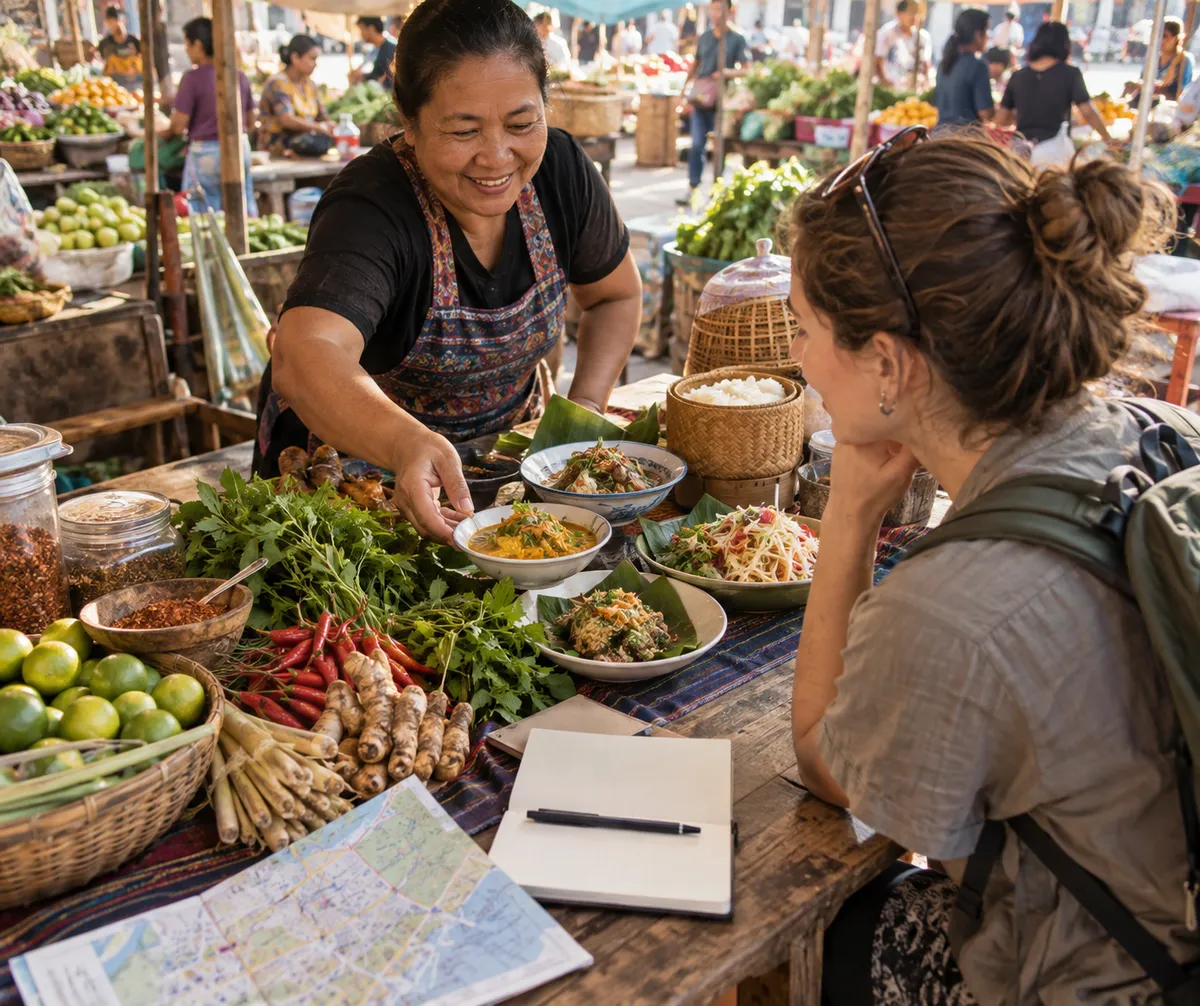
More travellers are choosing where to go based on what they can eat. The Business Times reports that culinary tourism is on the rise, with people picking destinations for the local cuisine, restaurants, markets, and dining culture rather than for sightseeing alone. This guide shows you how to do the same: choose a place for its food, shape days around meals, and come home with more than photos of monuments.
The reasoning is simple. Per the report's framing, food has become a major driver of travel decisions as people look for more immersive, authentic experiences. A dish is one of the fastest ways to understand a place, because it carries geography, history, and habit on one plate.
Start With a Dish, Not a Destination
Most trip planning begins with a map. Try beginning with a craving instead.
- Write down three dishes you keep thinking about, whether you have eaten them or only read about them.
- Look up where each one comes from and how it differs from region to region.
- Pick the place where the dish is part of everyday life, not just a menu item for visitors.
This gives your trip a point of view. You are no longer visiting a city; you are following a food to its source.
Build the Itinerary Around Meals
A standard itinerary lists attractions and squeezes meals in between. Flip it. Anchor each day with one meal you have researched, then place everything else nearby.
Give each day one fixed food anchor
Choose a single meal per day that matters: a market breakfast, a long lunch, a specific dinner. Book it if it needs booking. Leave the other meals flexible so you can follow your nose.
Group by neighbourhood
Food tends to cluster. Look for areas known for a particular dish or type of eatery and plan your wandering there. You will walk less, eat more, and see how a place actually works.
Use Markets as Your Starting Point
Markets are named in the report as a core part of the culinary travel draw, and for good reason. They show you what is local and what is in demand before you ever sit down at a table.
- Go early on your first full day to learn the ingredients.
- Notice what stalls are busiest, then ask what people are cooking with it.
- Eat something there. Even a small snack tells you what the region values.
Then, later in the trip, you will recognise those ingredients on restaurant menus. That connection is the payoff of food-first travel.
Mix Street Food and Sit-Down Dining
The two are not rivals. They answer different questions.
Street food shows you the everyday
Quick, inexpensive, and often specialised, street food lets you try many things in a short time. Pick vendors who make one thing and have a steady line.
Restaurants show you the craft
A sit-down meal lets you see how a cuisine is interpreted, plated, and paired. Use one or two of these as the high points of the trip, not every night.
A workable rhythm: casual and cheap for most meals, one considered meal every two or three days. That balance keeps your budget, energy, and appetite in good shape.
Ask Better Questions Locally
The best recommendations rarely come from a ranking. Ask the people near the food: a market vendor, a guesthouse host, a cook.
- "What do you eat at home that visitors usually miss?"
- "Where do you go for this dish?"
- "What is the season for this?"
These questions open doors to local traditions and the stories behind a plate, which is where food travel becomes more than eating.
Keep the Plan Loose Enough to Be Delighted
Over-planning kills discovery. Research enough to know where you are heading and why, then leave gaps. A closed restaurant, a stall you stumble across, a dish you cannot identify: these are often the meals you remember.
What the Trend Means for You
The report notes that the shift also creates opportunities for destinations, chefs, and hospitality brands to turn cuisine into a key tourism draw. As a traveller, that means more food-focused experiences are likely to be on offer. Treat them as options, not obligations. A packaged tasting can be a good introduction, but your own wandering will teach you more.
Your Next Step
Before you book anything, name the one dish you most want to eat at its source. Then plan the trip backwards from that plate.